13, avenue du Président Wilson 75116 Paris
Closed
12h - 22h
Eco Mode
SEARCH THE ENTIRE SITE
Popular searches :
Edito : Normes Corps
By Guillaume Désanges
As an extension of the work carried out by the Palais de Tokyo around inclusion, mental health, and, more broadly, the recognition of differences as enrichment, this season takes a positive look at notions of vulnerability, fragility, disability, and deviations from the norm to offer artistic experiences that challenge preconceived notions.

More specifically, it is the notion of ableism that is at play here: the system that establishes, through physical and psychological criteria, a hierarchy betweenbodies, between those considered “normal” and those deemed “abnormal.” It is in the challenge to such standards that the subversive power of disability lies: a space that questions the foundations of a society crystallized around ideas of performance, speed, autonomy, immediate productivity and surpassing oneself—while, conversely, affirming difference, dysfunction, interdependence, attentiveness, and evasion. In art, these considerations shape an aesthetic that broadens the boundaries of representation and escapes the constraints of conventional beauty or taste.
This theme is not directly addressed by all of the artists featured this season—far from it. Rather, it has freely inspired, or subtly infused, this series of exhibitions which, through a variety of forms—from the most abstract to the most overtly political, from the most metaphorical to the most documentary—evoke bodies constrained by norms while honoring minority perspectives that resonate with the majority.
Far from being marginal, fragility is a condition of existence, perhaps the most widely shared among humans, and beyond that, across all living beings. It takes only aging, an accident, a virus, an illness, or a shift in the system’s criteria for our bodies to fall outside the norm. By recognizing and valuing the fragility that connects us, and by viewing our vulnerability as a creative quality, we open up perspectives that can enrich culture and society as a whole. In return, these challenges for our institutions are those of concrete accessibility. They transform us from within and show us what still needs to be done in terms of accessibility to spaces, artworks, and texts, as well as in the way we work with artists, audiences, and within our teams.
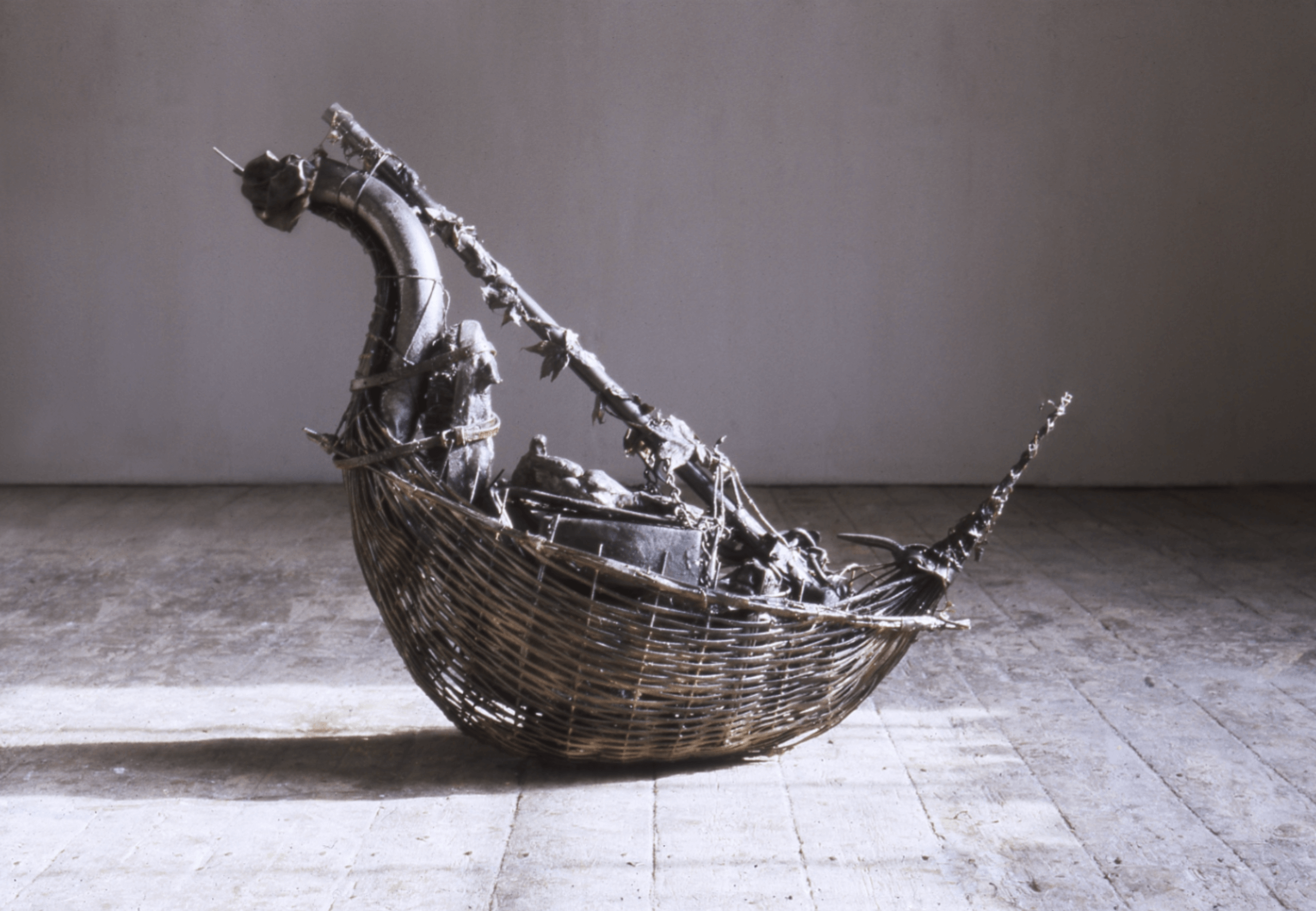
That is why this season is also an invitation to engage with contradictions and dissonances, to recognize fragility as a sensitive experience, as an expansion of possibilities. What if we turned the order of things upside down? What if awareness of fragility infected the world of the “able-bodied”? What if, through the magic of art, we transformed compassion into passion, constraint into intensity, mechanics into fantasy, and the ordinary into poetry?