13, avenue du Président Wilson 75116 Paris
Closed
12h - 00h
Eco Mode
SEARCH THE ENTIRE SITE
Popular searches :
See below
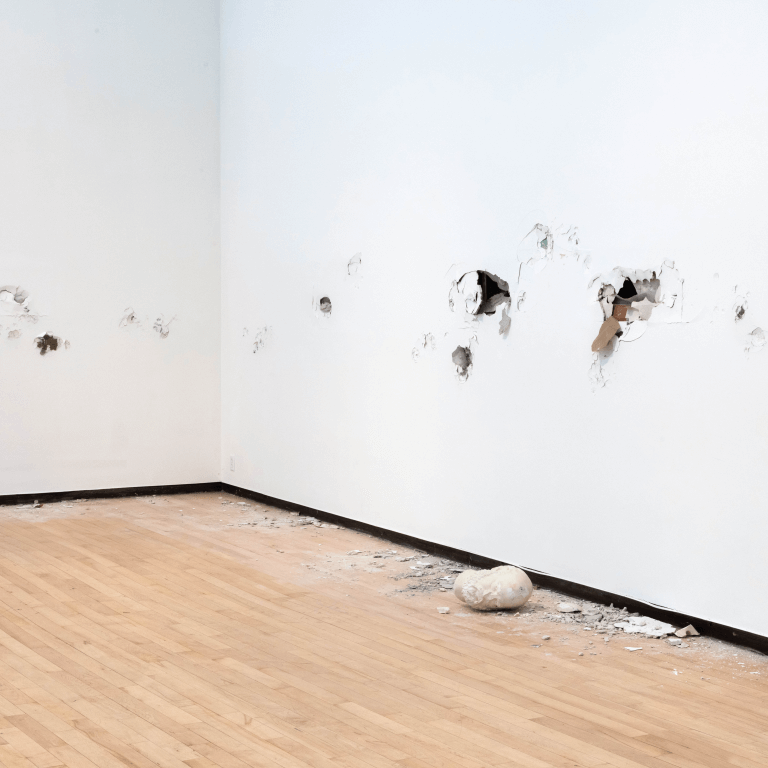
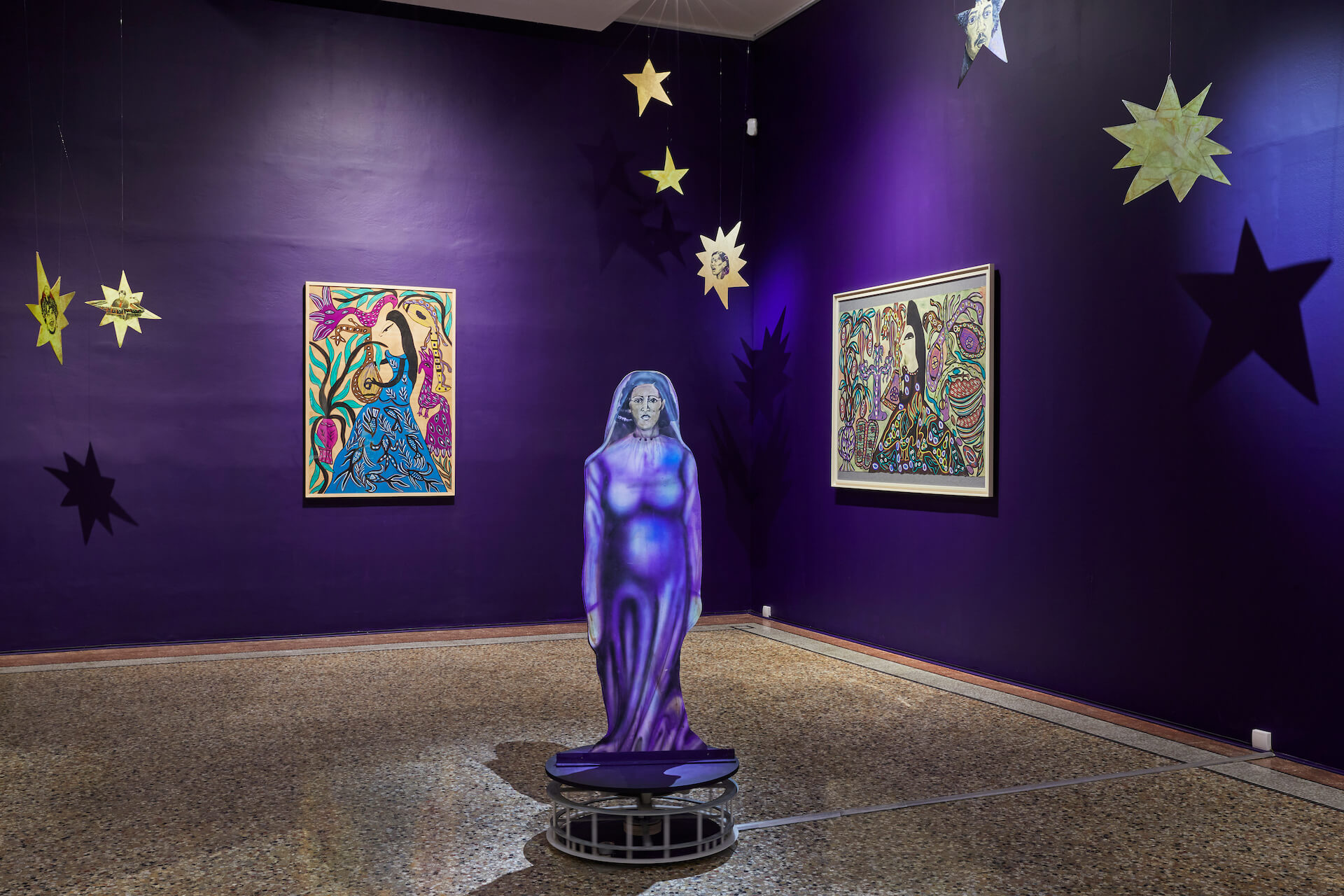
Neïla Czermak Ichti & Baya, “Rien ne me manque”, 2024. Exhibition view, “La Fleur et la Force”, 1re Contemporaine de Nîmes, “Une nouvelle jeunesse”, April 5 – June 23, 2024. Photo © Jean-Christophe Lett. Courtesy Galerie Anne Barrault, Paris. © Adagp, Paris, 2026
Raza Odiada Nunca Muere
from 06/05/2026 to 09/13/2026
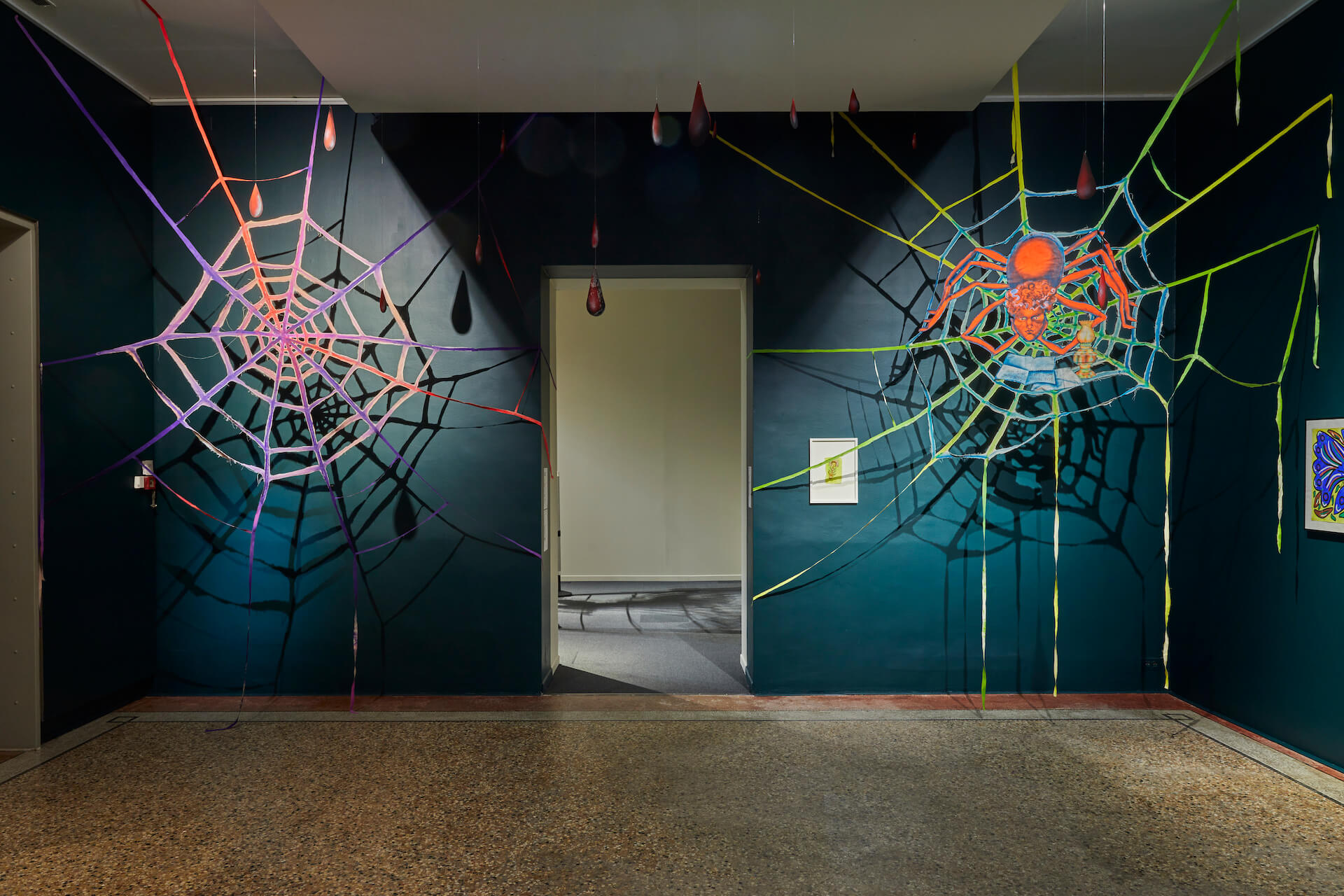
Through drawing, painting and sculpture, Neïla Czermak Ichti makes up worlds where memories encounter the present, where reality blurs with dreams and nightmares, and where the fantastical springs forth from the banal, filling in the holes and the processes of forgetting that make up so many people’s lives.
“This work comes from several sources,” she explains. “One of them is my relationship to accumulation, the result of a visceral fear of loss.” Together with her father, painter Polô Czermak, as well as with the living beings and the ghosts who surround them, Czermak Ichti composes an epic at once private and collective, where lessons are learned through trials and tribulations and extended through lived (and sometimes silenced) experiences, which are here excavated so that they might survive. Tutelary figures or sworn enemies populate the walls and school desks of the exhibition alongside beloved faces, lost homes, shared values and inherited secrets.
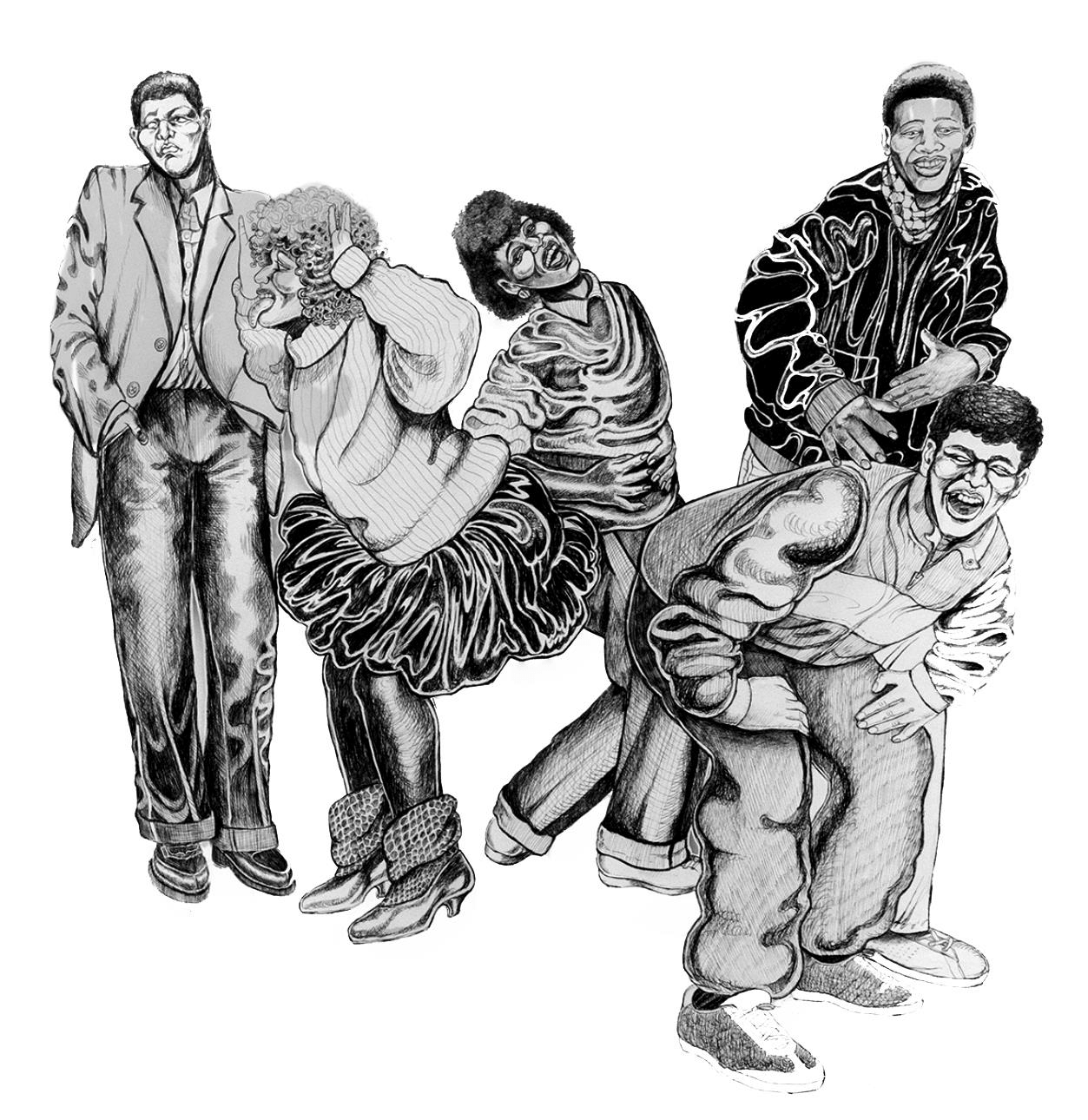
“As a school pupil and as a child, I failed brilliantly in the only role given to me and the only thing expected of me: not being ‘useless’,” she recalls. “Years later, I found all my bad grades. I kept them. They’re a complete mess, but they’re still there.” There are gaps between the history learned in classrooms and the histories passed down or guessed at over the years that are difficult to cross. Along the branches of her family tree, Czermak Ichti has found proof that the tales she was told indeed took place. The exhibition retraces forced or voluntary migrations that have led her up to this point, and evokes beings that she would rather have left buried alongside smiles that continue to joyfully haunt her.
Borrowed from an album by the deathgrind metal group Brujeria, the exhibition’s title, Raza Odiada Nunca Muere [A Hated Race Never Dies], strikes a conclusive note. Yet it can also be read as a promise made by the artist to all the stories that we would rather forget, to all the pain and violence that attempts at erasure engender, to all those who compulsively pile things up without really knowing why, and to all the scatterbrains who just can’t help themselves.
From 06/05/2026 TO 09/13/2026

Curator: Horya Makhlouf, assisted by Candice Ratsimba
MEDIA PARTNERS