13, avenue du Président Wilson 75116 Paris
Closed
12h - 22h
Eco Mode
SEARCH THE ENTIRE SITE
Popular searches :
See below
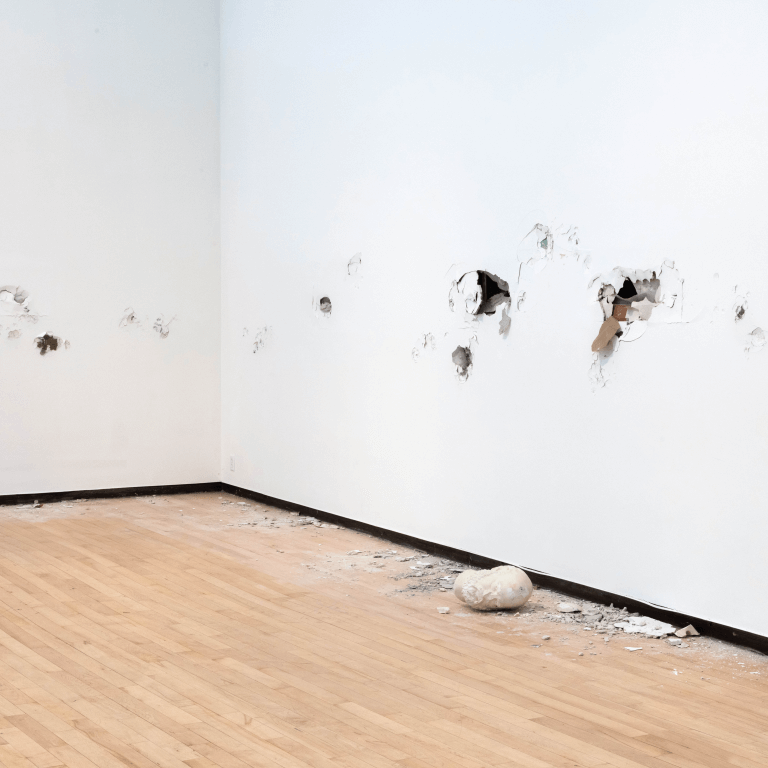
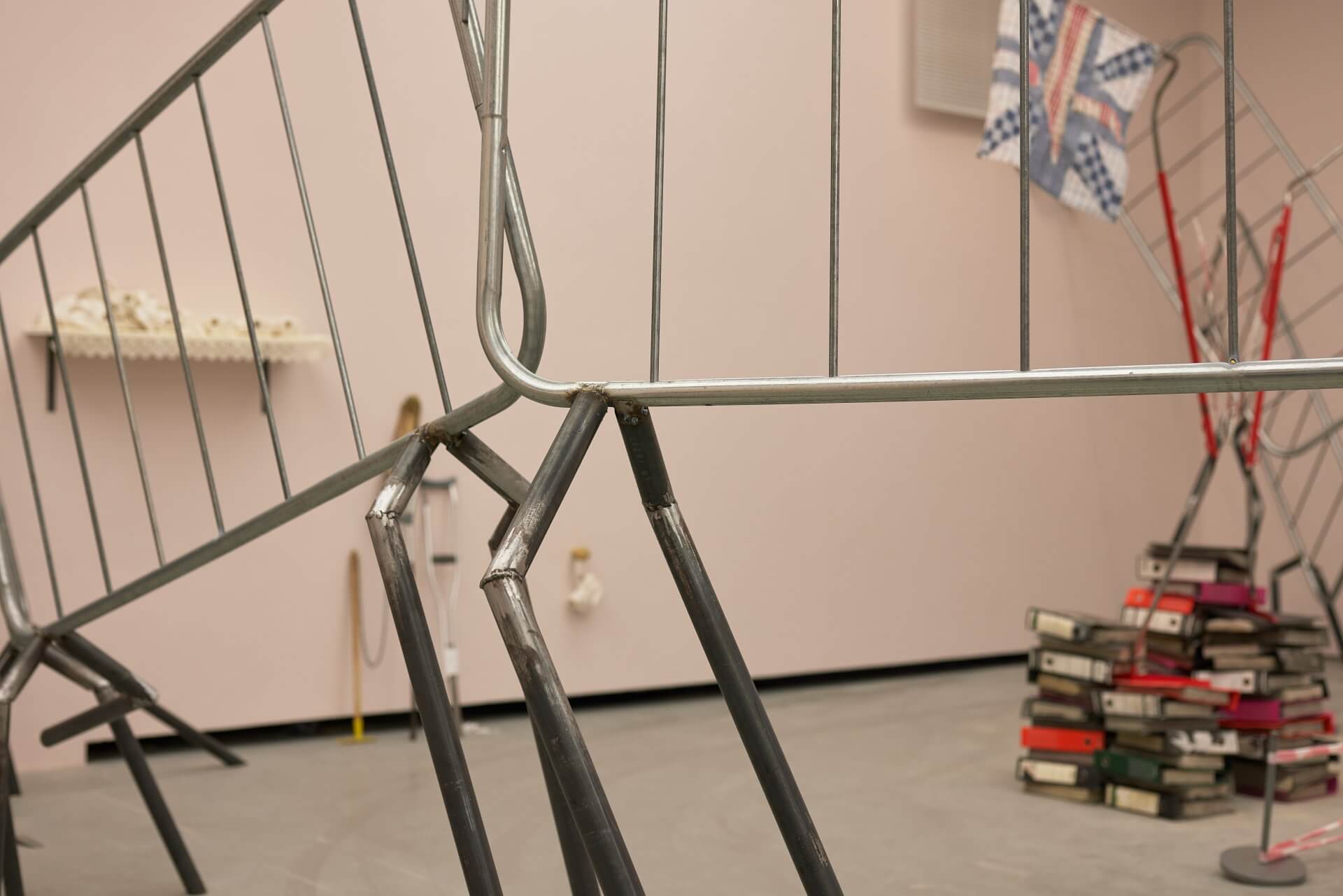
Exhibition view, Turner Prize, Towner Eastbourne, UK, 2023-2024 © Tom Carter. Courtesy of the artist and Sultana Gallery.
THE AMBASSADORS
JESSE DARLINGfrom 04/03/2026 to 09/13/2026
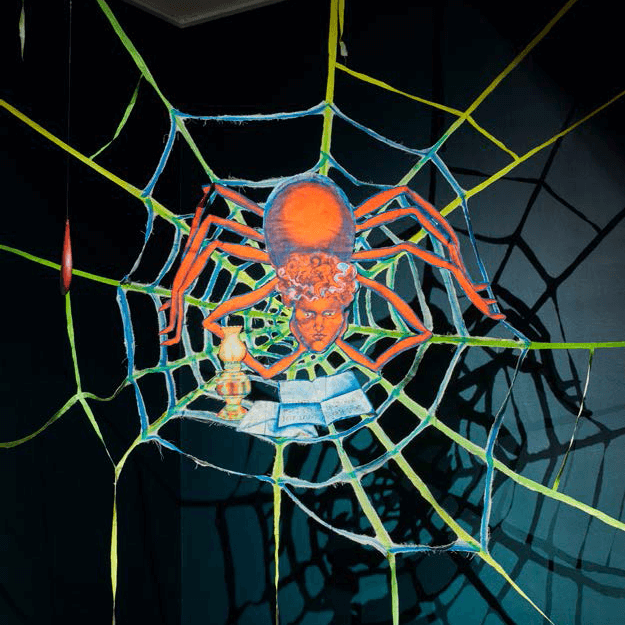
Through gestures that are at once simple, minimal and spectacular, the sculptures of Jesse Darling (2023 winner of the Turner Prize) bring to light the latent narratives embedded in the objects, materials, and forms that shape our daily lives. Working primarily with industrial materials, found items, and discarded objects gathered from the areas surrounding his exhibitions, he assembles these elements into unusual compositions, hybrid relics and fantastical landscapes, emphasizing the visible effects of time on it, between exhaustion and decay, underscoring their fragility.
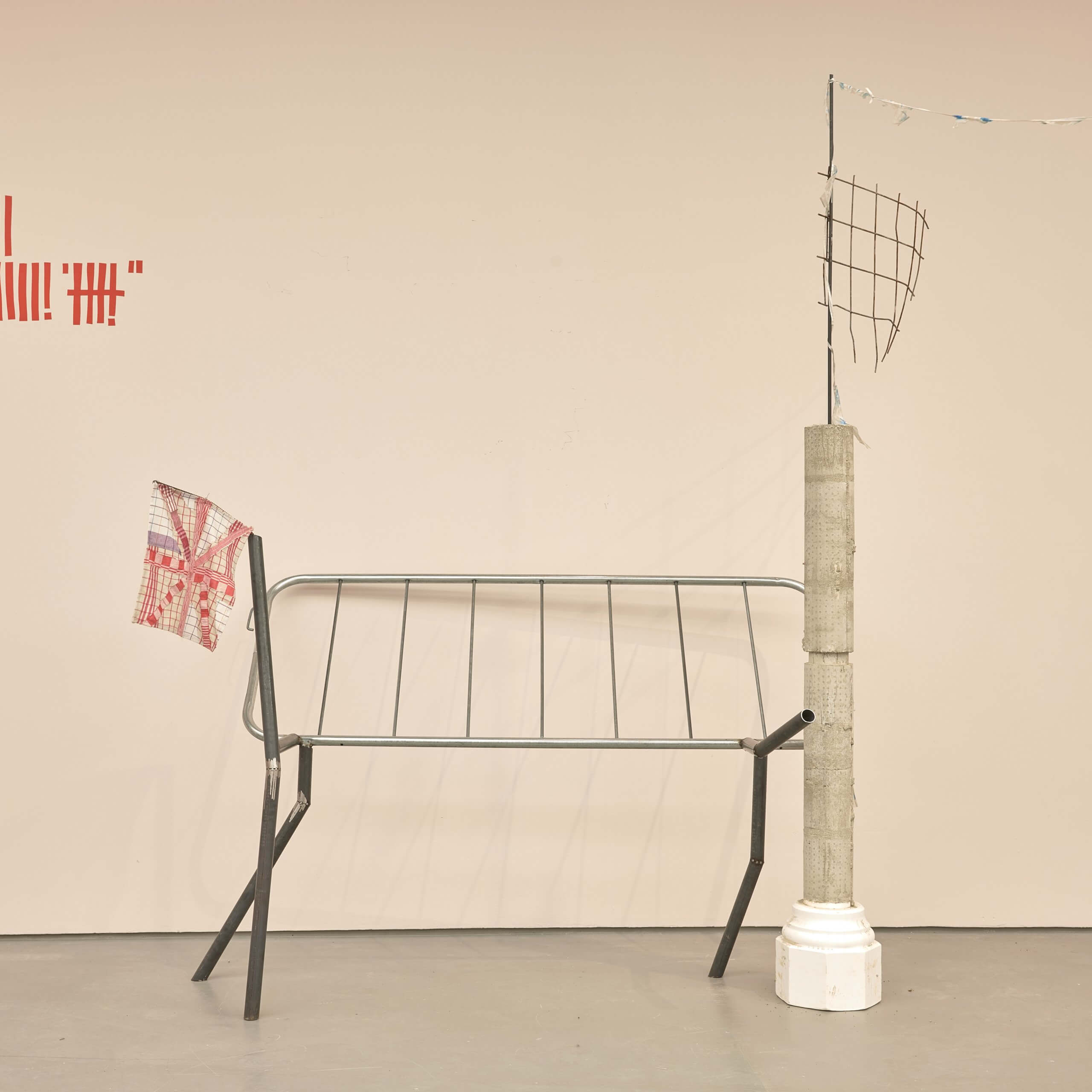
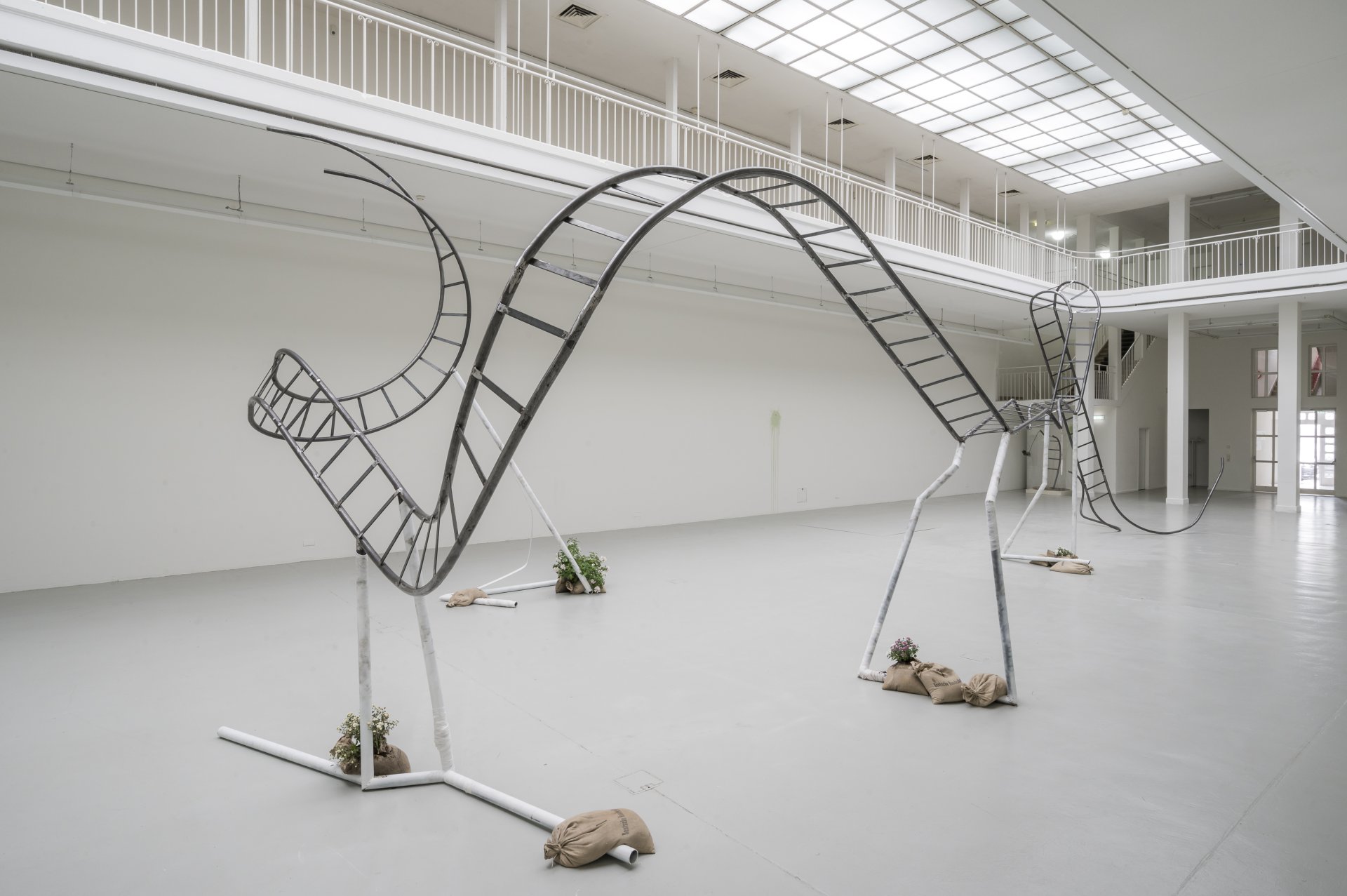
His new site-specific production for the grande verrière of Palais de Tokyo invites visitors into an impressive landscape of illegible posters and advertising signs, inhabited by a ghostly crowd of lecterns topped with flags fluttering in the wind. Here, these symbols of power are impaired, erased, rendered inaudible, as if caught in an ongoing process of degradation or derealization.
Infused with a form of critical melancholy, the work draws attention to poignant precariousness of the materialities that surround us, and to the vulnerability of the systems of production, consumption, and power that made it possible. This poetic recycling of reality operates as a form of disarmament, momentarily distancing violence to better neutralize it.
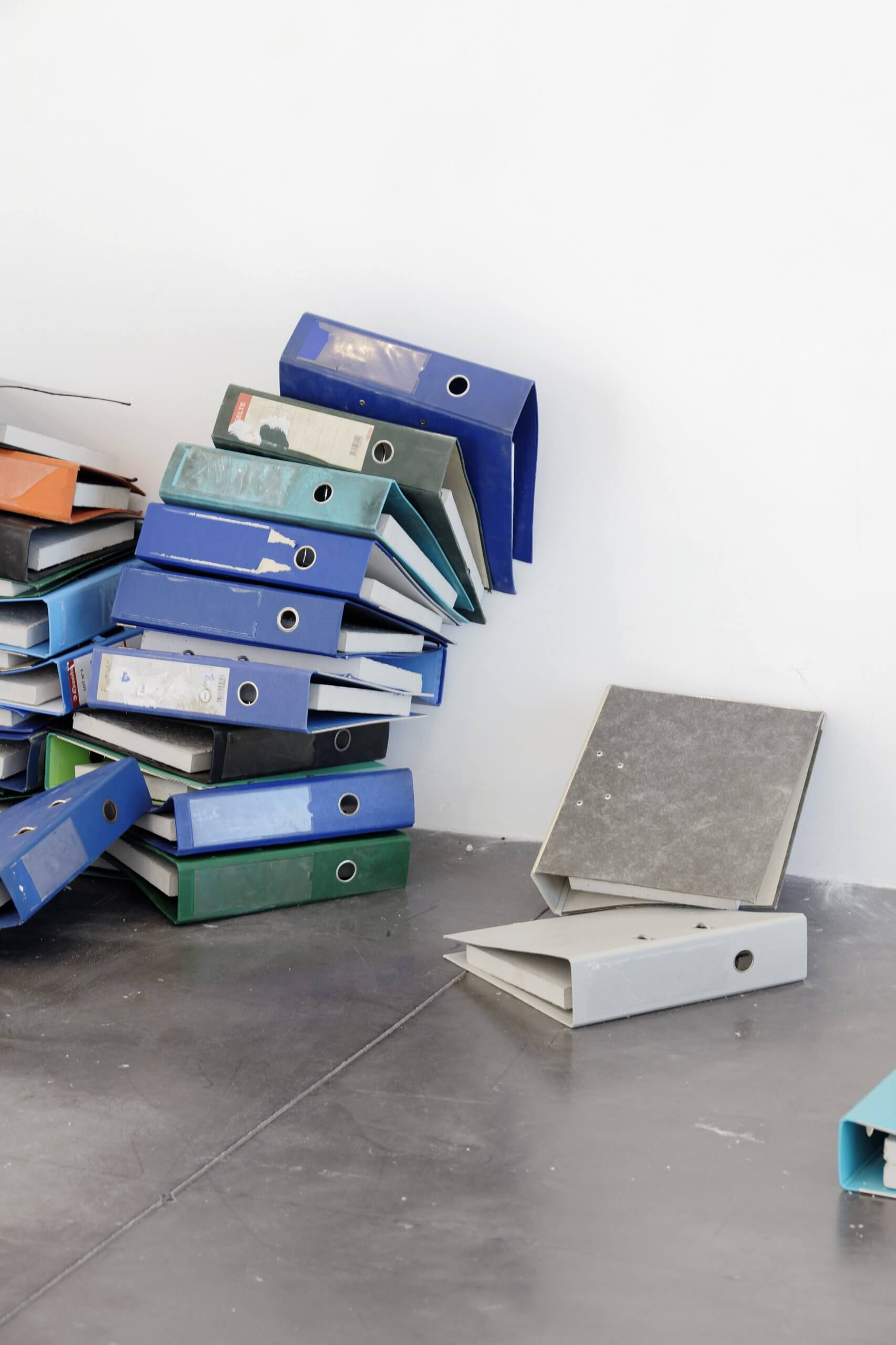
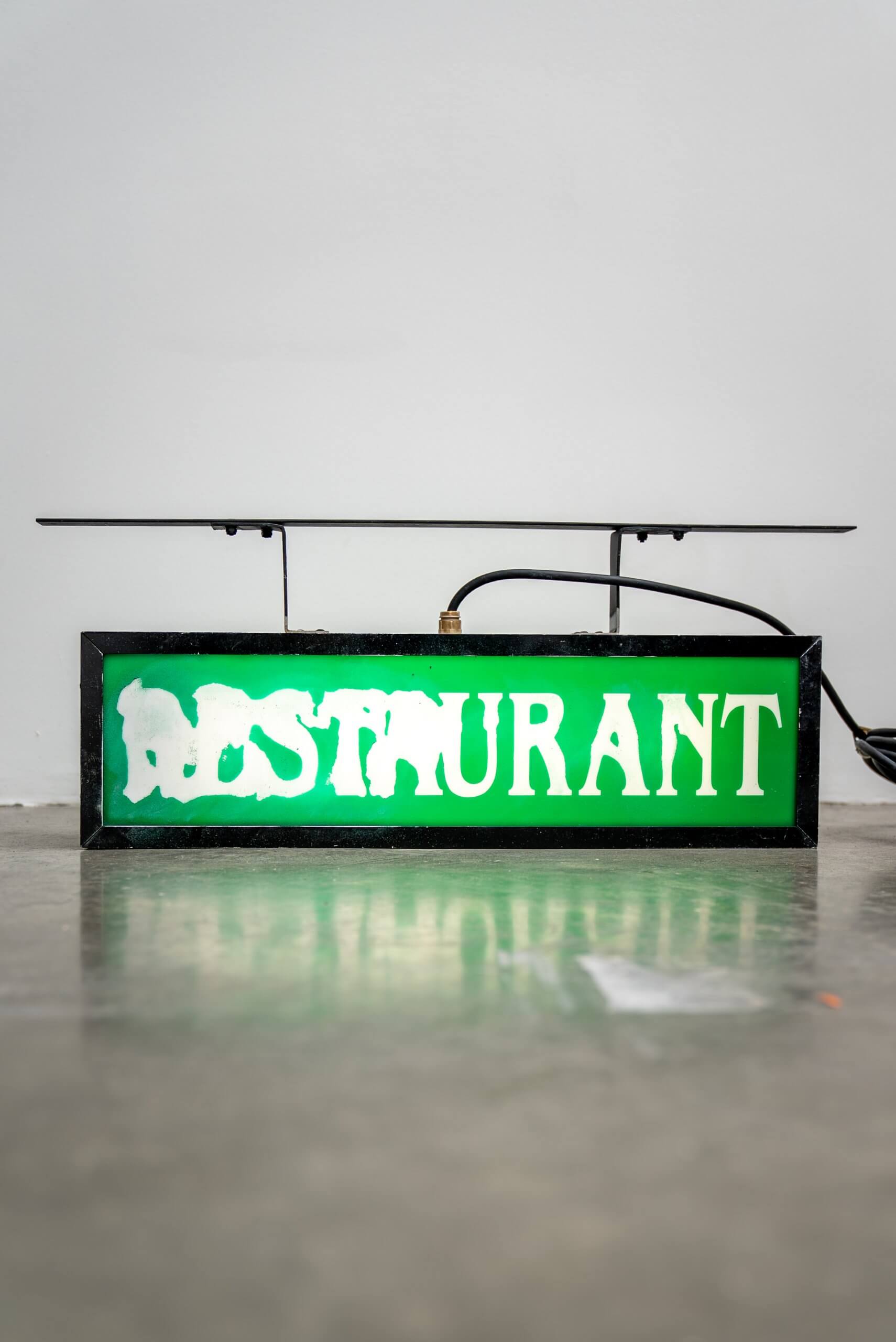
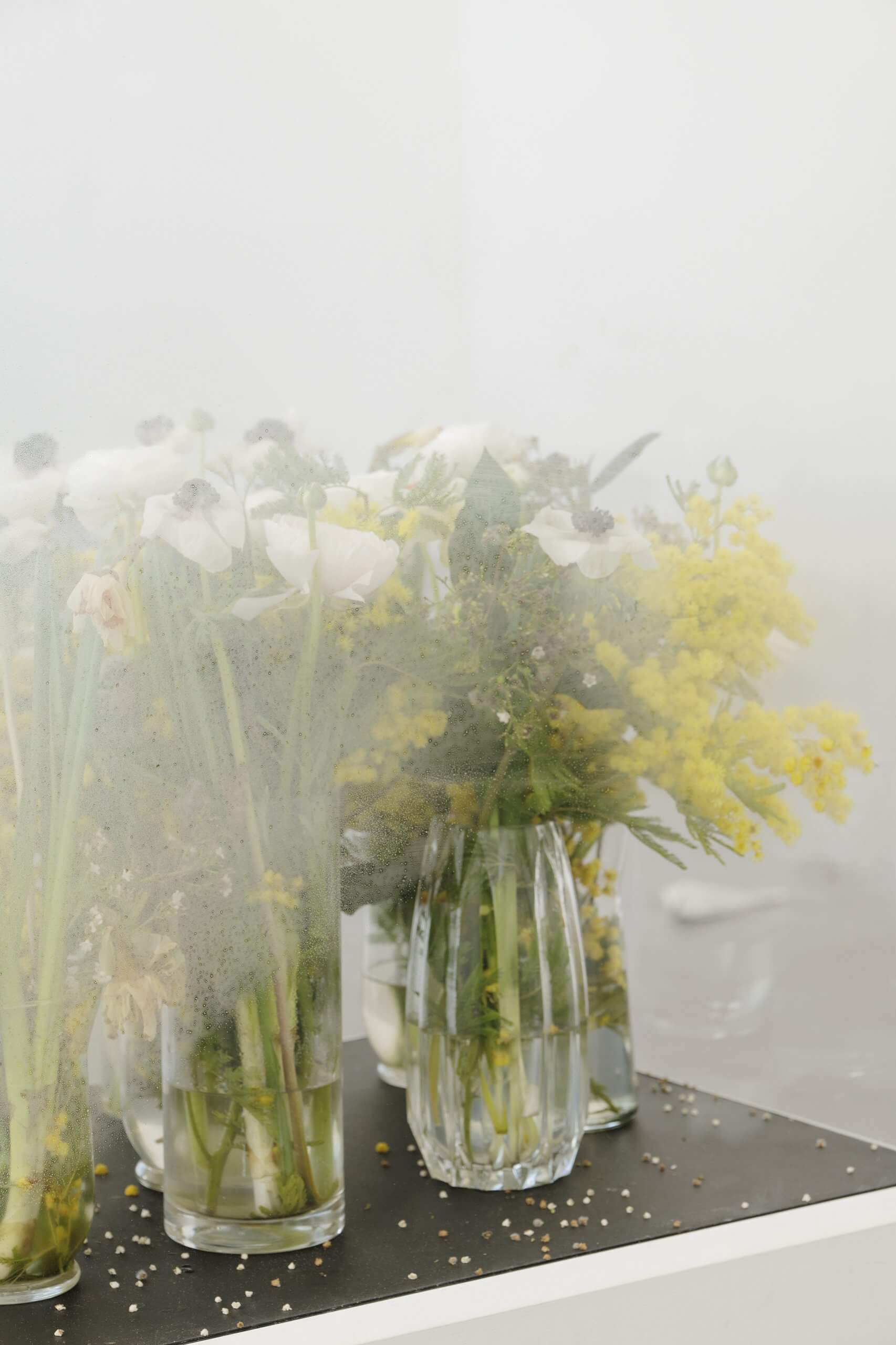
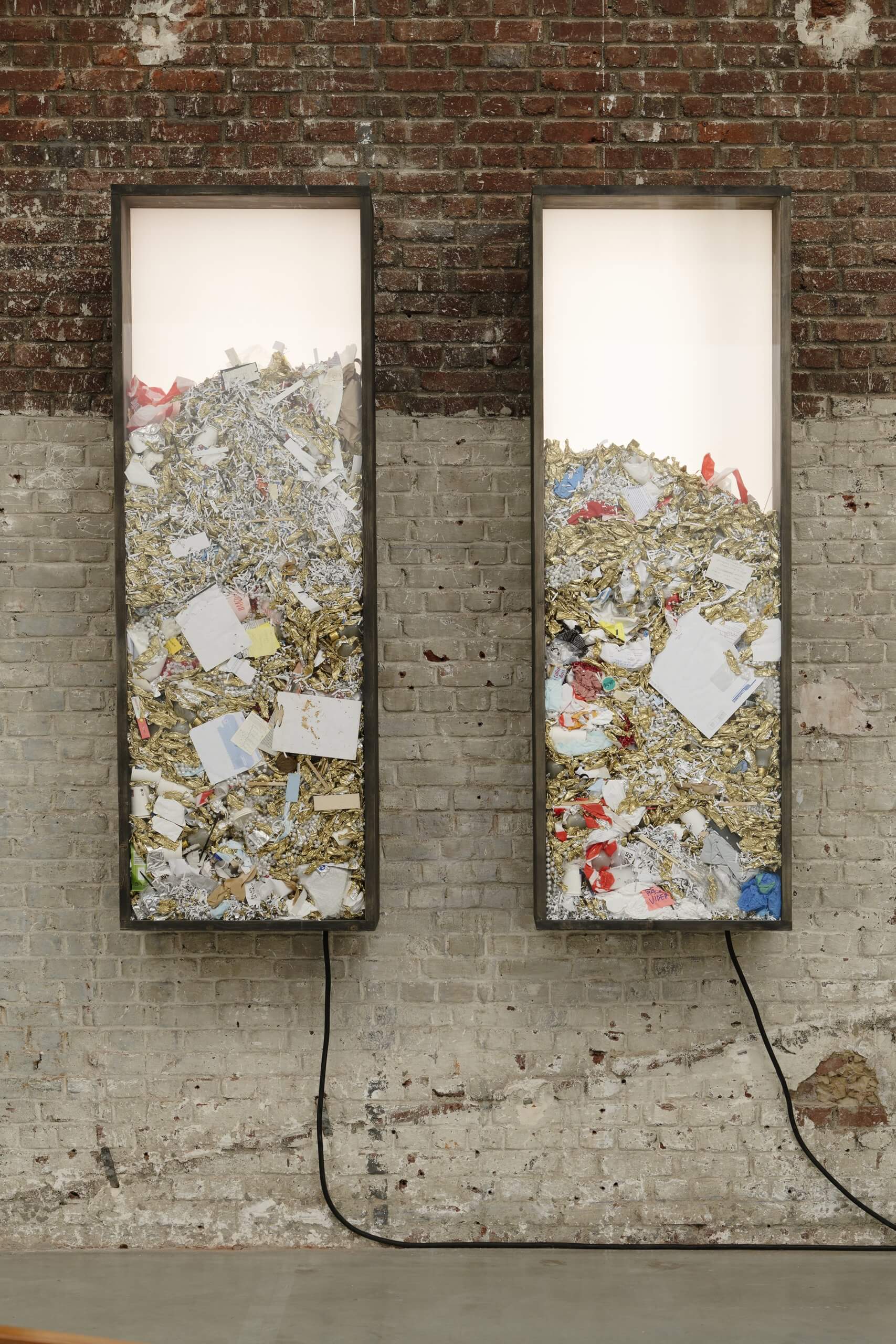
The exhibition’s title, which references a painting by Hans Holbein the Younger, evokes the tradition of Renaissance vanitas, allegorical works that meditate on the fragility of human life and the futility of power, culture, and progress. In the same way, these physical fossils, shaped and eroded by History, tell of the exhaustion of dominant narratives, now unsettled by the urgent need to rethink values in a damaged world. Through a form of useful disorder, understood in its literal sense of “undoing order,” the artist offers resistance to the norms of a productivist world
FROM 04/03/2026 TO 09/13/2026

Curator : Guillaume Désanges, assisted by Léna Kemiche
Artistic advisor : Sonia Recasens
THIS EXHIBITION BENEFITS OF THE SUPPORT FROM
MEDIA PARTNERS