13, avenue du Président Wilson 75116 Paris
Closed
12h - 22h
Eco Mode
SEARCH THE ENTIRE SITE
Popular searches :
See below
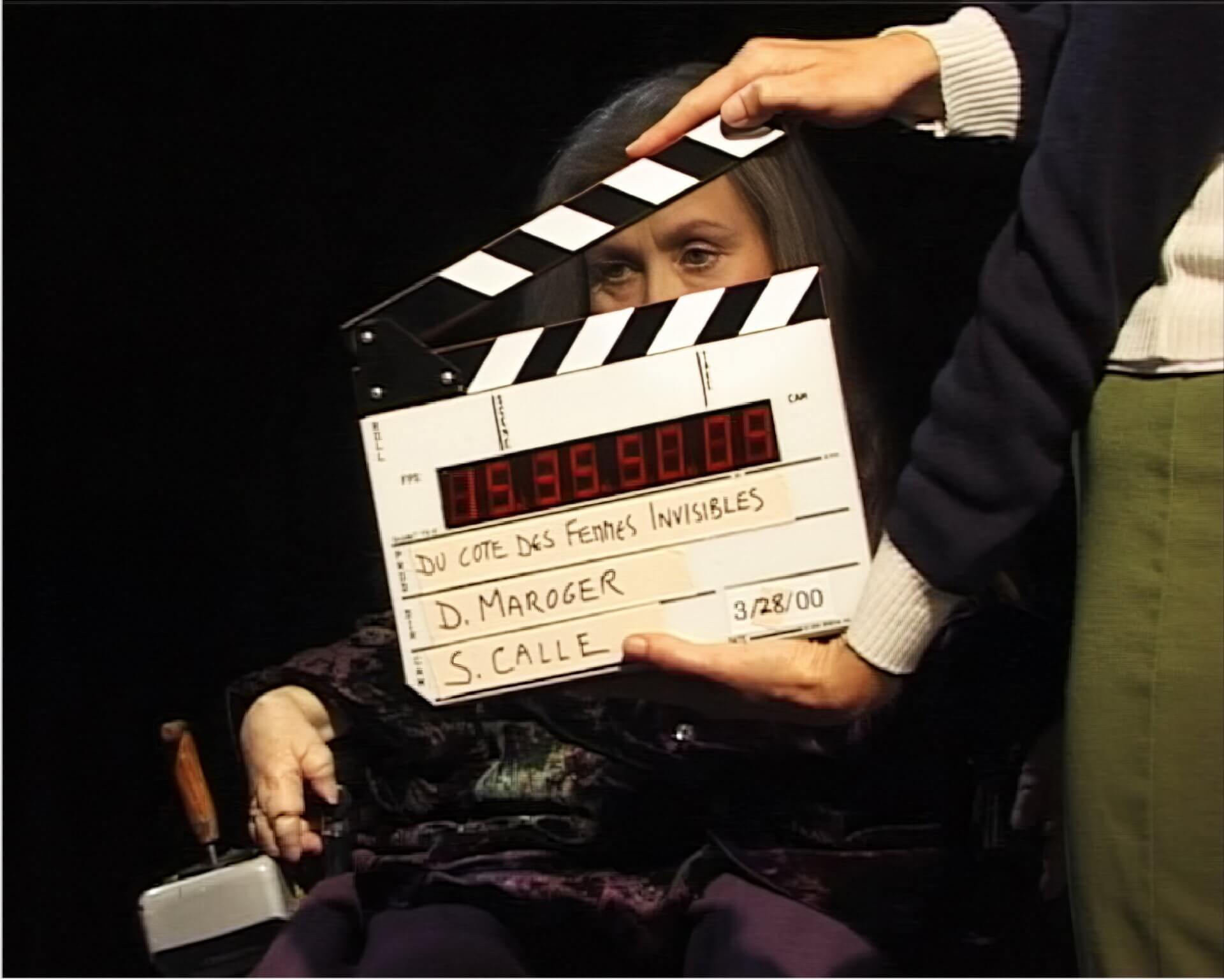
Cheryl Marie Wade, March 2000. Director : Diane Maroger. Photo credit : Sylvia Calle
Cheryl Marie Wade, the Queen-Mother of Gnarly
LUCIE CAMOUS & ÉTIENNE CHOSSONfrom 04/03/2026 to 09/13/2026
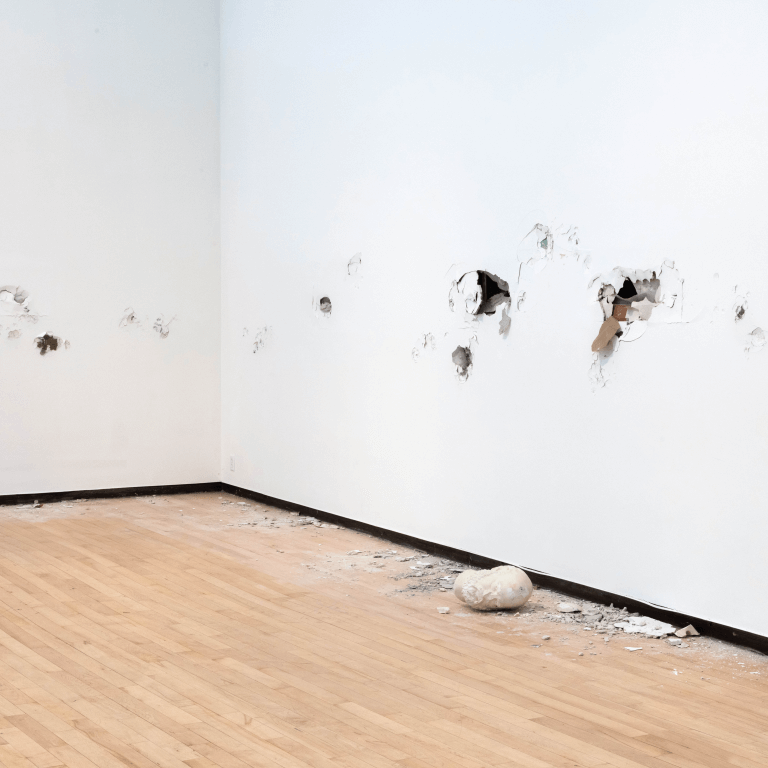
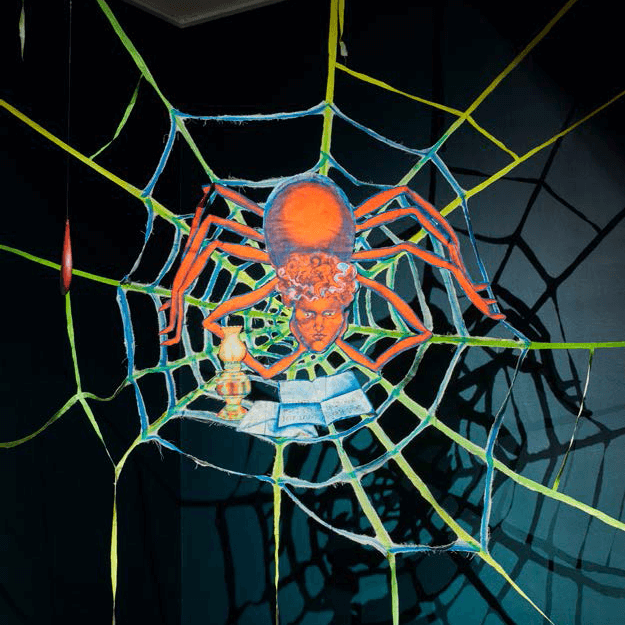
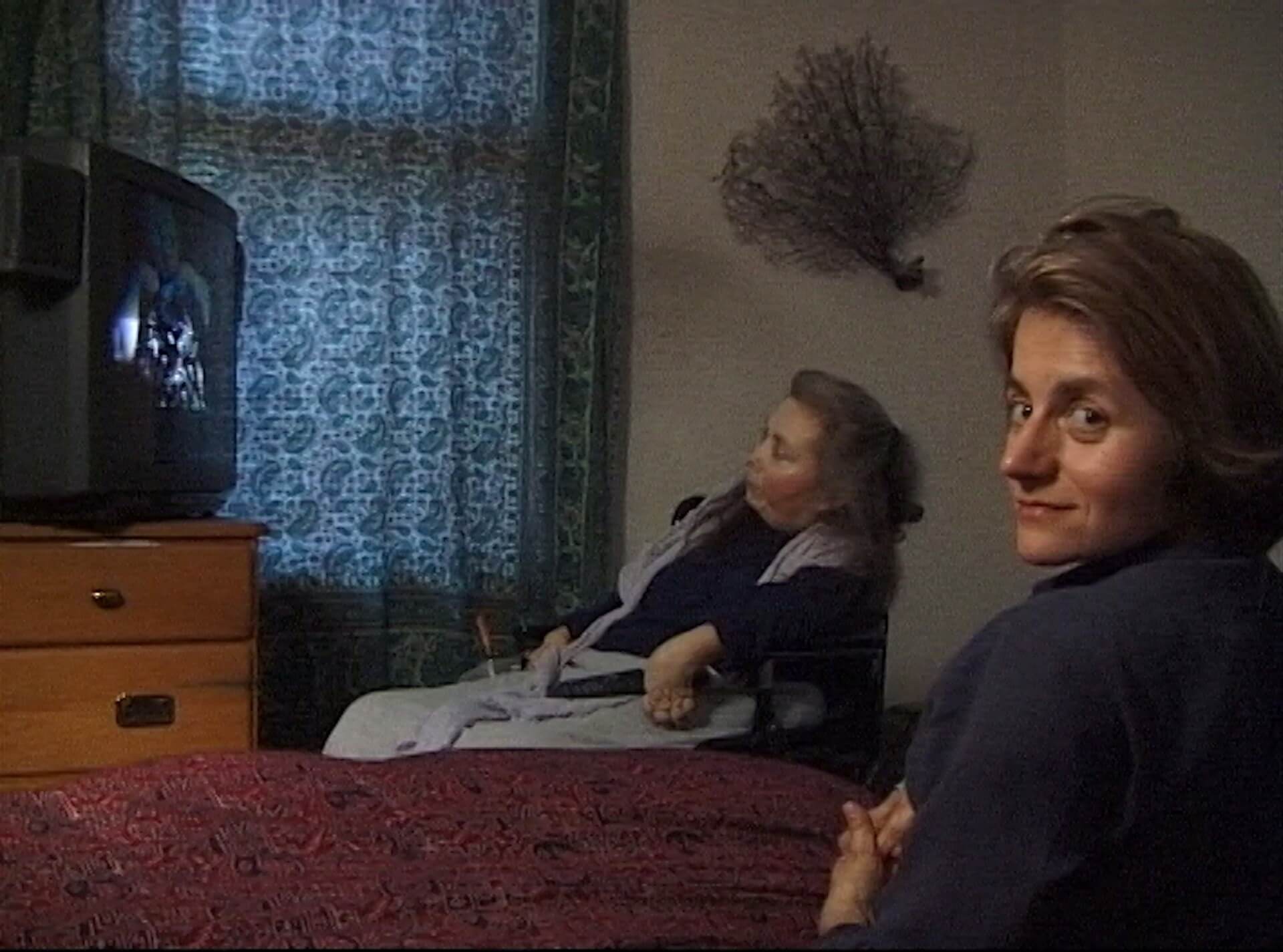
This exhibition has stemmed from images from a documentary on the Californian disabled poet Cheryl Marie Wade filmed by Diane Maroger in 2000 originally destined to be broadcast by France 3 but abandoned by the producers.
Nicknamed the “Queen-Mother of Gnarly”, Cheryl Marie Wade was part of a group of disabled artists in Berkeley that formed in the late 1970s in parallel to Disability Studies. Disabled since adolescence and a survivor of incest, Cheryl Marie Wade created a body of work made up of poems, one-woman-shows and songs, initially read aloud during women’s discussion groups, then performed in public, and, as her health declined, filmed on VHS tapes.
Her texts as well as those by her peers removed disability from medical discourse to show how it is a sensitive and shared experience of the world. They reclaimed the insult “cripple” to form the word “crip” and embody a pride that contributes to the foundation of a community and culture whose impact is being rediscovered as the issues of health, care, and disability gain importance in the wake of the Covid-19 pandemic.
Despite her influence on disabled artists in the United States and frequent mention in the seminal Disability Studies texts, Cheryl Marie Wade’s work has neither been published nor translated, and her archives have yet to be studied.
Despite the constraints of the television format, director and disability activist Diane Maroger was able to make numerous trips to Berkeley, collect poems by Cheryl Marie Wade, and record dozens of hours of film documenting the disability community at the turn of the 1990s and 2000s.
The exhibition uses this time to unravel this material, deploying the various sequences in the space to create a montage with works by artists who have direct or metaphorical links to the Berkeley crip scene.
The visual and conceptual associations that form are as much sketches for possible films as they are ways of constructing a history of disabled people told by themselves.
FESTIVAL
Echoing the themes of the exhibition, in June 2026 the Palais de Tokyo will host a festival of poetry and performances dedicated to the contemporary crip scene.
FROM 04/03/2026 TO 09/13/2026
Artists : Panteha Abareshi, John Lee Clark, Tarik Dobbs, JJJJJerome Ellis, Noa Micaela Fields, Joseph Grigely, Carolyn Lazard, Diane Maroger, Park McArthur, Saleem Hue Penny
Curators : Lucie Camous and Étienne Chosson, based on an unfinished documentary by Diane Maroger
Coordinators : Simon Bruneel-Millon and Horya Makhlouf
MEDIA PARTNERS