13, avenue du Président Wilson 75116 Paris
Closed
12h - 21h
Eco Mode
SEARCH THE ENTIRE SITE
Popular searches :
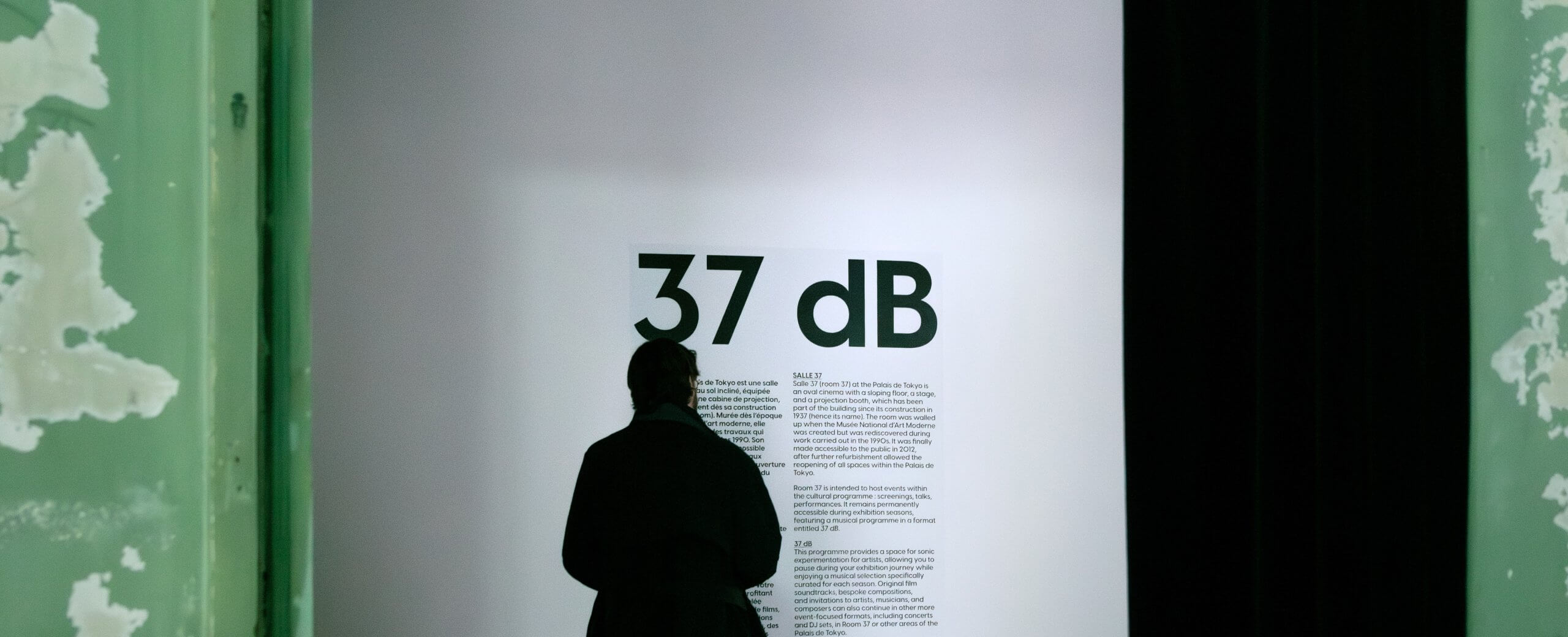
Plan D: Screening cycle
from 04/09/2026 to 04/18/2026The twentieth century marked a break with the image of the virtuosic dancing body. This selection of films highlights the ways in which choreographers connect their practices with societal issues, proposing a renewed approach to dance.
From 9 to 13 April 2026:
Right on (Ceremony of us)
Shortly after popular uprisings took place in Watts, a poor neighbourhood of Los Angeles inhabited mainly by African Americans, Anna Halprin was invited to present a show there. Instead, she proposed to come and work with a group of young people from the neighbourhood. She brought together this group of black dancers and her group of white dancers. This anti-segregationist project gave rise to Ceremony of US in 1969.
credits and details
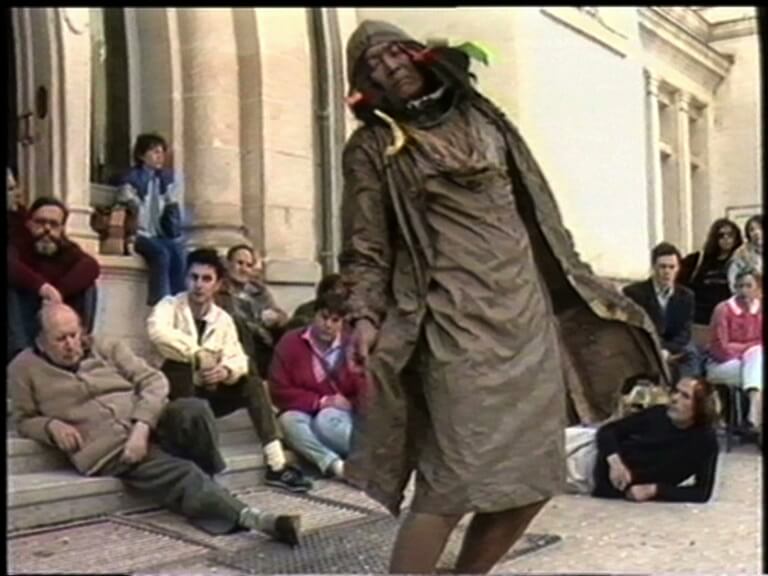
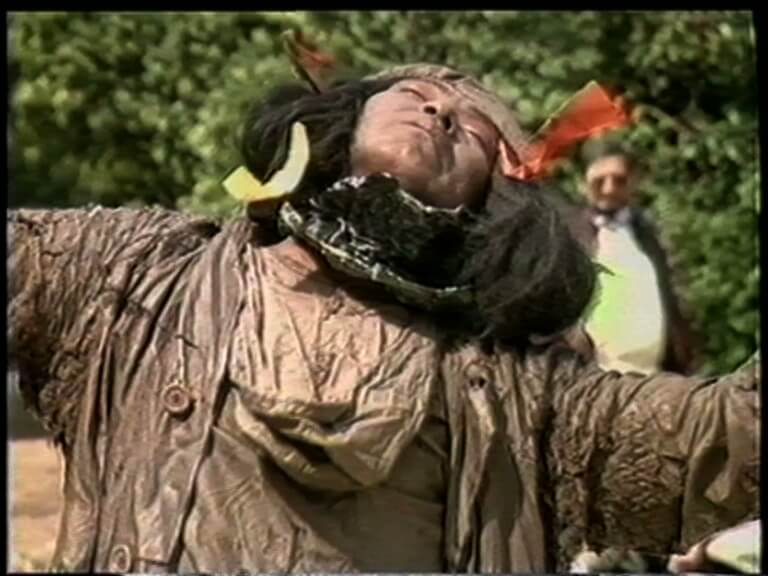
Min Tanaka, danseur de butô
The film directors capture a performance by Japanese dancer Butô Tanaka Min, invited to La Borde clinic by psychoanalyst Félix Guattari, in front of an audience of residents, nursing staff and friends. A discussion led by Félix Guattari ensues with the residents and other spectators, who express their feelings.
credits and details
From 15 to 18 April:
Dancing Life/Danser la vie
Anna Halprin created a dance therapy process which she shares in collective projects with cancer and AIDS patients. The first project, in 1989, involved around a hundred women and men, patients and carers, and resulted in the piece “Dancing with Life on the Line”. “Care me Home”, the second project, was the result of seven workshops. This programme was developed using resources from the Contredanse association.
credits and details
Steve Paxton et le Contact Improvisation
This programme is made up of archives (1972-1983) edited by Videoda and dedicated to Contact Improvisation. They cover a key period of exploration and discovery through narrated documents on the performances of its founder, Steve Paxton, and other founding practitioners. Between games of weight/counterweight that lead to loss of balance, falls and momentum, this dance gives access to a state of awareness of one’s own vulnerability in contact with others, thereby developing flexibility and adaptability of the body.
credits and details
Practical information
- Where? Room 37
- When? April 9–18, 2027
- How? Access with a valid exhibition ticket
