13, avenue du Président Wilson 75116 Paris
Closed
12h - 21h
Eco Mode
SEARCH THE ENTIRE SITE
Popular searches :
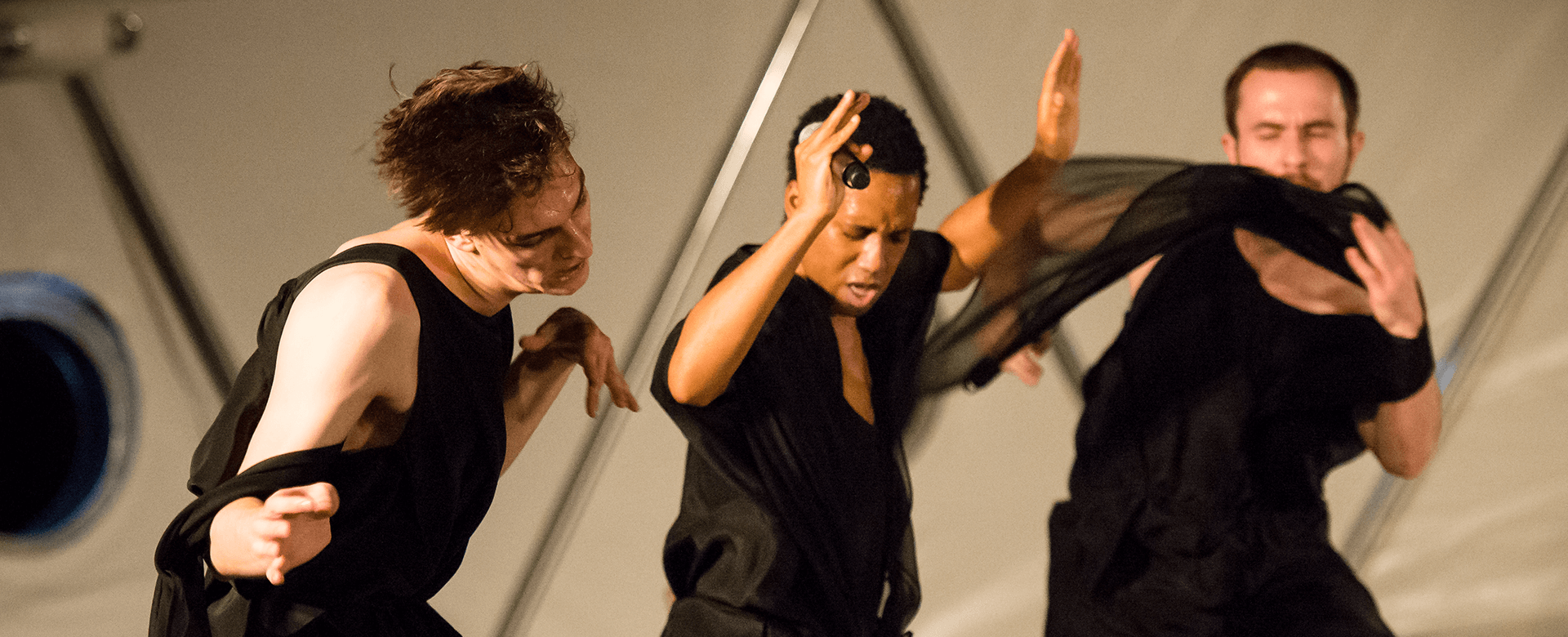
Made-to-Measure/Twenty Looks or Paris is Burning at The Judson Church
The 04/17/2026 at 8:30 pmplan D CND x Palais de Tokyo
Combining the formalism and minimalism of post-modern dance with the flamboyant performance style of voguing is the challenge Trajal Harrell takes on in a piece whose subtitle (Judson Church Is Ringing in Harlem) metaphorically summarizes what is at stake. The piece is at the exact geographical and cultural crossroads between the church in the very bohemian Greenwich Village in New York – which in the 1960s was home to an artistic rebellion where Steve Paxton, Anna Halprin, Trisha Brown, and others invented a new way of dancing – and the iconic African-American neighborhood which, fifteen years later, was where urban dance and the clubbing revolution blossomed. By combining these two seemingly opposite styles, Harrell reveals how the former, in their experimentation with movement, owe a debt to the fundamentals of jazz, funk, and R&B that nourish the latter. Harrell reinvents the aesthetic and social approach of postmodern choreographic vocabulary (walking, standing, sitting, etc.) with a Harlem twist.
Practical information
- Duration: 1h
- Accessible upon presentation of a ticket for this event
Credits

